Skip to content

The EUDR applies from 30 December 2026 for large and medium companies, and 30 June 2027 for micro and small ones.

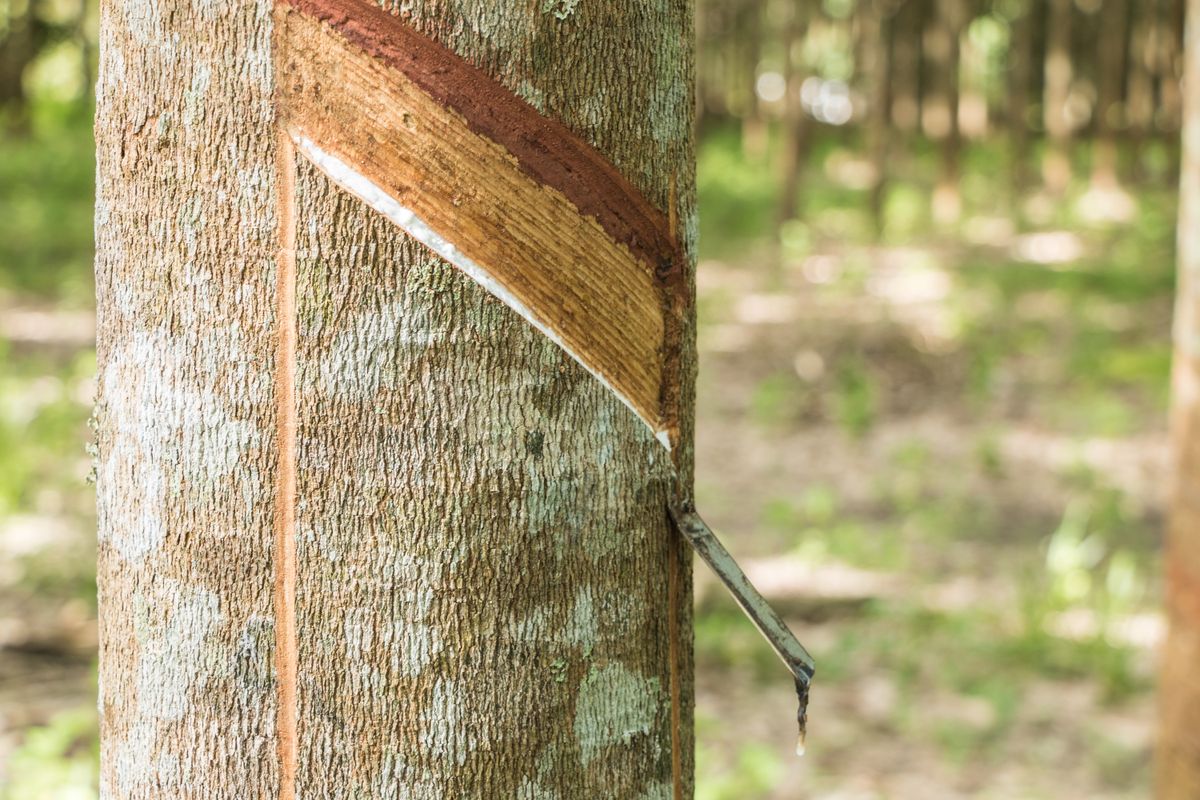
Latex running down the trunk of a freshly tapped rubber tree.

Traceable rubber,from the farm to the EU.

MŪLA links every lot of rubber to the verified farms it came from, keeps that proof through collectors and open-market sales, and hands it down to the manufacturer and the EU importer.

How to read a lot

Every lot on MŪLA carries its own proof. The sample beside this shows the three things a buyer checks.

  1. 1Every farm, named

    Each source farm is listed with its plot and checked against the 2020 forest map.

  2. 2Gaps are blocked

    A farm without a verified land deed is kept out, not mixed in.

  3. 3Signed and handed once

    Pickups are signed on the phone, and the lot changes hands only once.

Lot L-0412

Natural rubber, sheets RSS

Sample data

Collector

Kalutara Latex Traders

Certified

Source farms

  • KAL-003 Kalutara, 1.1 ha
    Verified
  • RAT-001 Ratnapura, 1.8 ha
    Verified
  • MON-004 Moneragala, 2.4 ha
    Blocked

    Land deed not verified. Not added to this lot.

  • Signed on the collector's phone
  • Handed over once to Exporter B (demo)
One unverified farm can stop a whole shipment.

From 30 December 2026 for large and medium companies, and 30 June 2027 for micro and small ones, the EUDR needs the location of every plot the rubber was grown on, and proof that no forest was cleared there after 31 December 2020.

Sample lot1 input has no plot location
  • Rubber changes hands

    Smallholders, collectors, dealers, processors and exporters, often through the open market.

  • Proof gets lost

    After a sale, the buyer rarely knows which farms the rubber came from.

  • Mixing breaks it

    One input without plot geolocation makes the whole lot non-compliant.

  • Most buyers are local

    Glove and tyre makers need the proof for their own EU customers.

Proof is built at the farm, not at the sale.

Follow one sample lot of rubber, from a farm in Kalutara to an importer in the EU.

Sample lot L-0412. Step 1 of 4: Farm KAL-003: 1.1 ha, no 2020 forest.
  1. Step 1: Map the farm

    Draw the boundary or enter the government plot ID. It is checked against the 2020 EU forest map.

    A fresh tapping cut spiralling down the bark of a rubber tree.
  2. Step 2: Verify the collector

    A MŪLA verifier checks identity, source farms and land documents once, before they can sell.

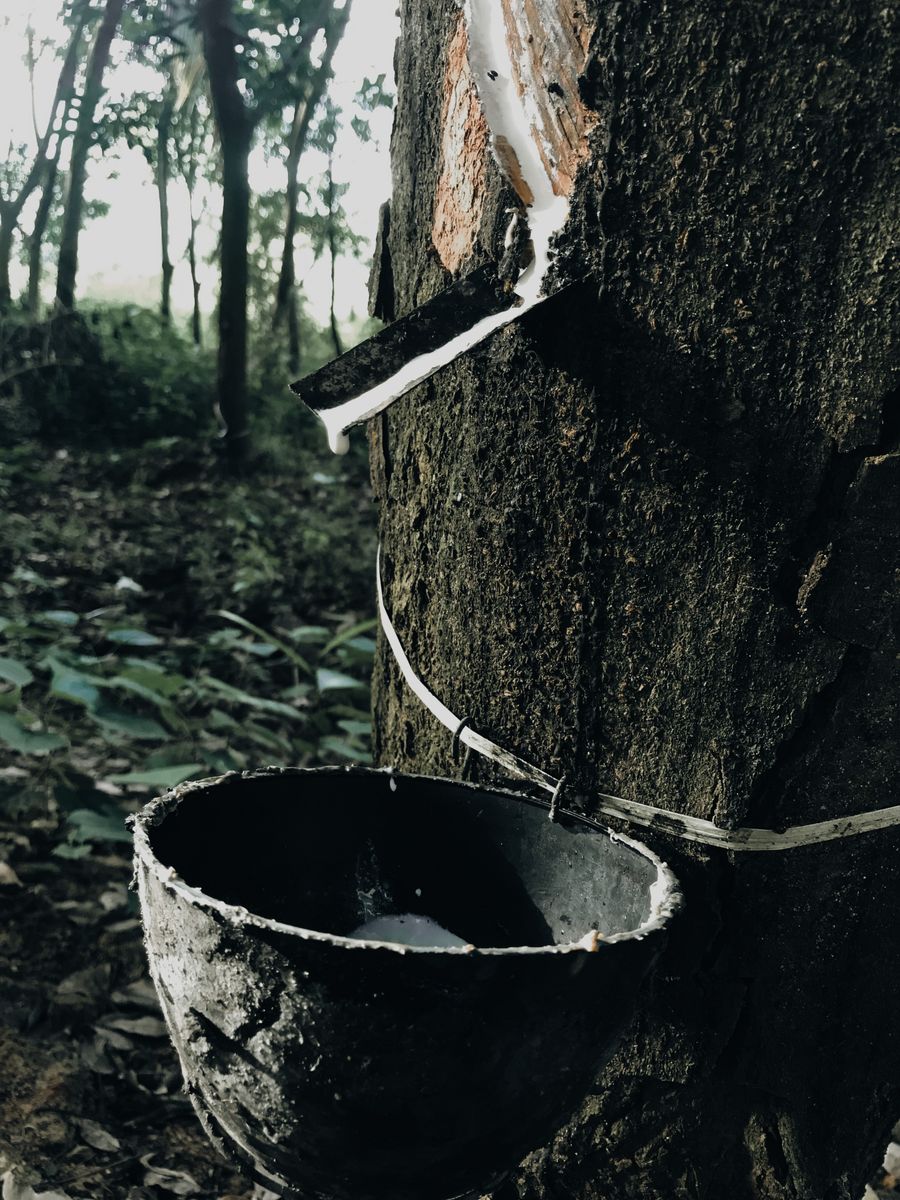
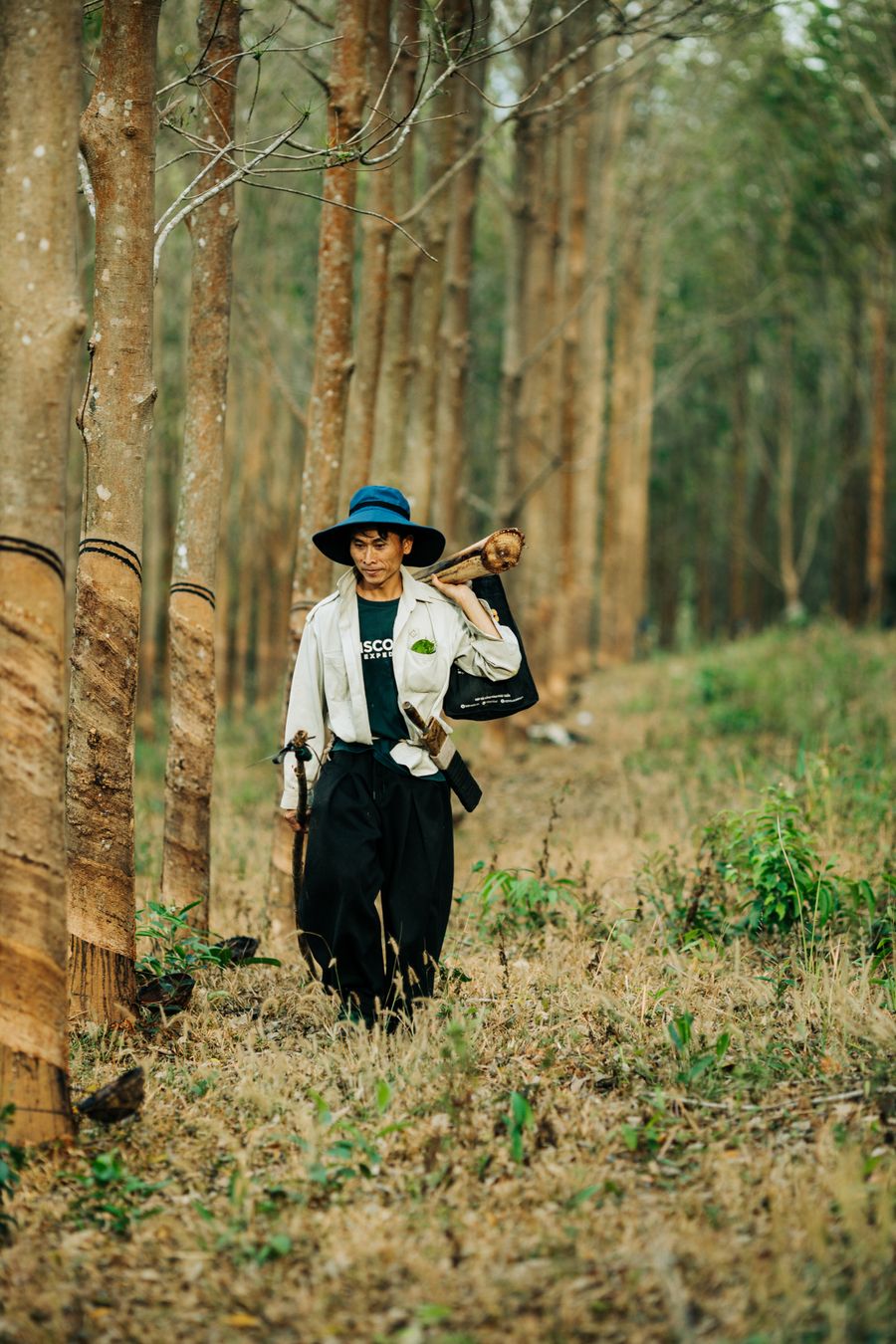
    A rubber tapper walking between rows of trees with collecting gear.
  3. Step 3: Build a lot

    Each pickup is signed on the phone. A lot lists every farm in it, and only verified farms can be added.

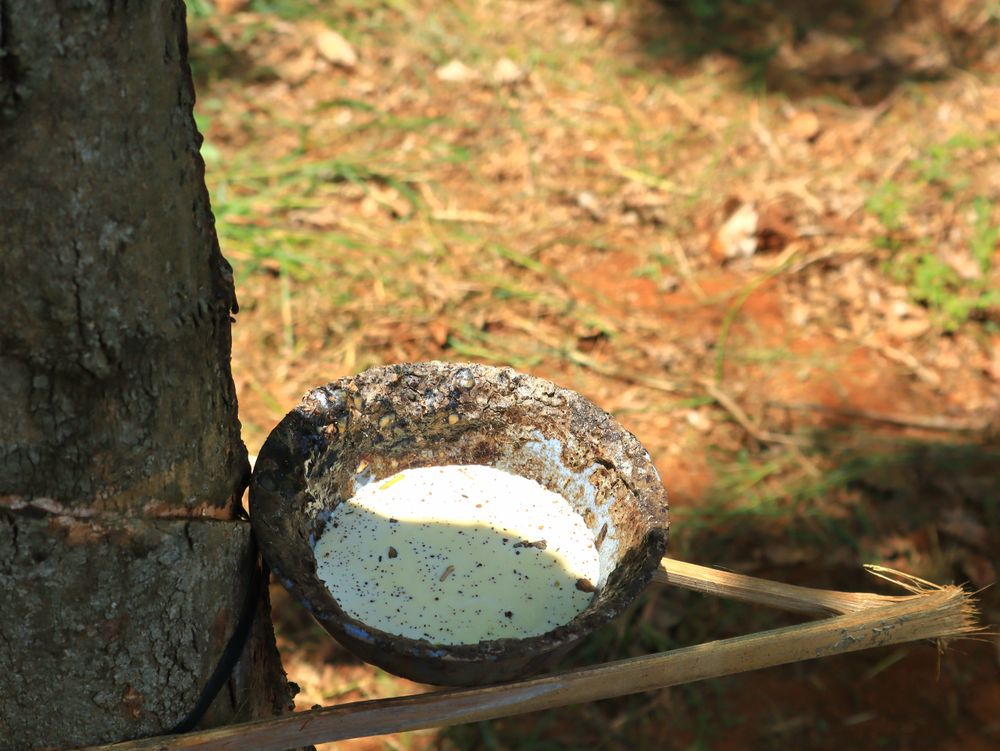
    Fresh white latex collected in a cup on a rubber tree.
  4. Step 4: Hand the proof down

    After a sale the collector hands the lot to the buyer once. The exporter passes it on as an evidence package and QR passport.

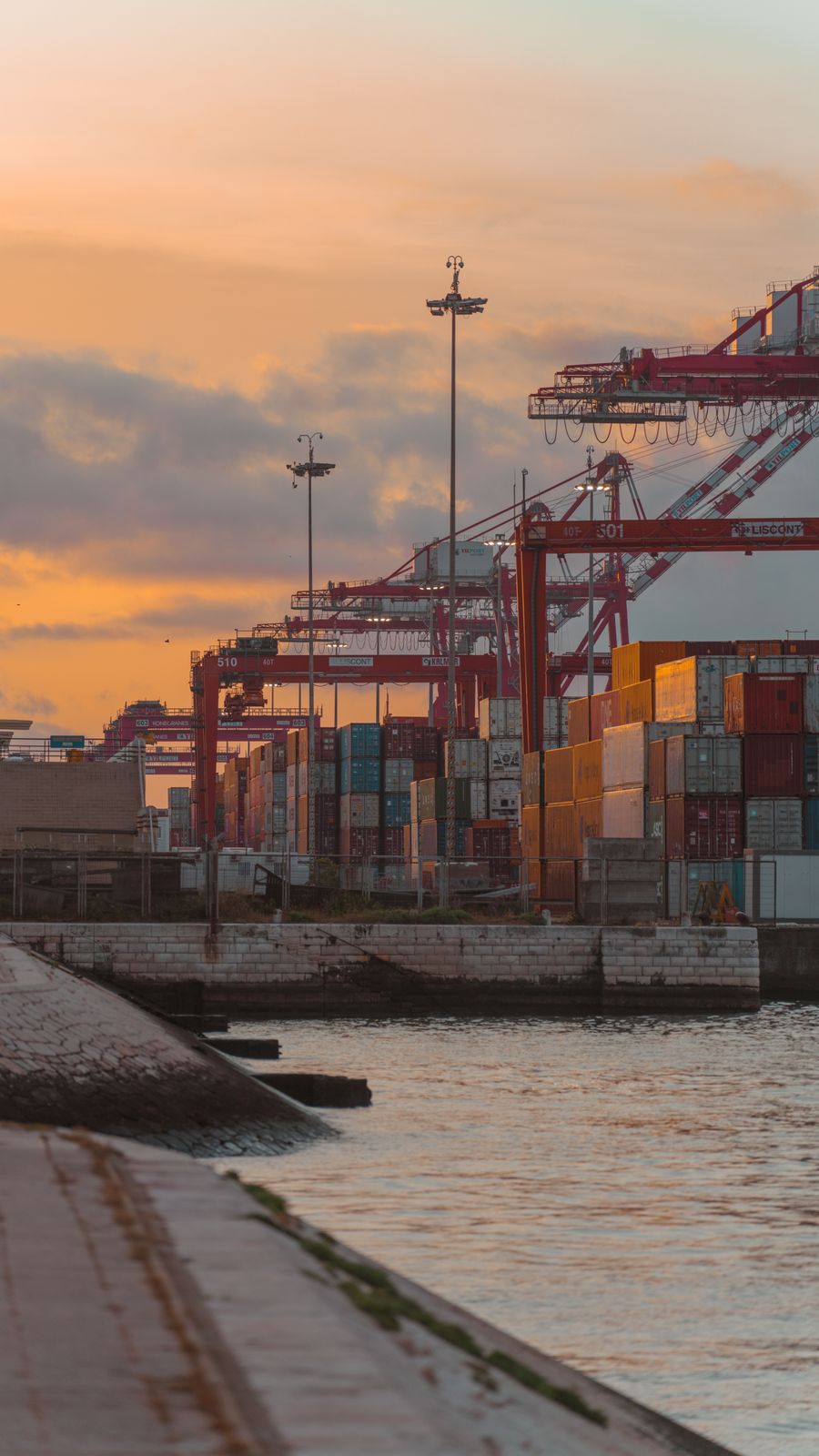
    Cranes and stacked containers at a port at sunset.

Who it's for

  • Exporters and processors

    Your own admin dashboard: manage field agents, connect with collectors, receive lots, build batches and pass the compliance gate.

    Request a company account

    Compliance gate

    Batch MULA-B-2026-001

    • EUDR: every plot located, no forest after 2020Passed
    • Legality: land documents verifiedPassed
    • Pest-free flag on every farmPassed
    • Claims: plain origin wording onlyPassed
    • No open fraud flagsPassed

    Gate passed. The QR passport is ready.

    Sample batch for the demo
  • Rubber collectors

    Get verified once, then sell to any exporter on MŪLA.

    Apply as a collector
    Sample collector and demo exporters
  • Company field agents

    Your company creates your account. The app works offline, out on the estate.

    Walk the farm boundary and the app records each corner by GPS, then checks the plot against the 2020 EU forest map.

    Sample plot KAL-003, traced from 6 GPS pointsNo 2020 forest overlap
  • Manufacturers and EU buyers

    Scan the QR passport to see where the rubber came from, and check the records haven't been changed.

    QR passport

    Natural rubber, sheets RSS

    From
    Ratnapura and Kalutara, 2 farms
    Batch
    MULA-B-2026-001
    Records
    Unchanged since signing
    Data unchanged since signing
    Sample passport. Scanning shows where the rubber came from and checks that nothing was changed.

Features

Three smart features: MŪLA works these out, nobody types them in

  • Smart map checks

    Checks that each farm boundary is a valid shape, works out its hectares, and compares it with the 2020 EU forest map to set its risk to low or high.

  • Cryptographic proof

    Every pickup is signed on the phone, and every change is linked to the one before. If a record is changed later, the check fails.

  • Fraud detection

    A harvest prediction model works out what each farm could really grow. Bigger harvests are flagged for a person to review, never rejected automatically.

And the everyday work

  • Compliance gate

    A batch cannot leave until every farm in it passes every check. Failures name the farm.

  • Connect and lot handover

    Exporters connect with verified collectors, and each lot is handed to one buyer, once.

  • Works offline

    The field app keeps working on estates with no signal and syncs when it is back online.

What MŪLA does, and what it doesn't.

MŪLA organises evidence. It does not issue certificates.

We provide

  • Plot geolocation for every farm in a lot
  • Deforestation checks against 2020 forest data
  • Land documents, and who verified them
  • Signed records kept for at least 5 years
  • An evidence package the EU importer can use

We don't

  • Issue certificates, or call products "deforestation-free"
  • File the due diligence statement: the EU importer does that
  • Check full legality such as labour, tax or anti-corruption. Only land documents
  • Mix verified and unverified rubber in one lot
  • Run auctions or handle payments
  • Cover tea, cinnamon or other crops yet
  • Give legal advice

The team

  • Senuka Rison Balasuriya

    Scrum Master, Developer, Group Leader

  • Dinitha Dahanayake

    Product Owner, Developer

  • Akain Hansitha Balasuriya

    Developer

  • Dunindu Hashan Siribaddana

    Developer

  • Senitha Batagoda

    Developer

Contact the team:[email protected]

Ready before 30 December 2026?

That is the date for large and medium companies. Micro and small companies follow on 30 June 2027.

Request access